You Never See the Sun Where It Actually Is — Only Where It Was 8 Minutes Ago
Light takes time to travel, so every glance into space is a glance into the past. The night sky shows stars as they were years, even millennia, ago.
Today’s hidden fact · Sunday, August 9, 2026
Voyager 1 is over 24 billion km away, so far its radio signal takes 22+ hours to arrive, sent by a transmitter weaker than a refrigerator bulb.
A football-field-sized lab, falling around Earth at 8 km every second.
ISS Oleg Kononenko · Nikolai Chub · Tracy Caldwell Dyson · Matthew Dominick · Michael Barratt · Jeanette Epps · Alexander Grebenkin · Butch Wilmore · Sunita Williams
Tiangong Li Guangsu · Li Cong · Ye Guangfu
2010 FX9
Witness XZ Andromedae Wink
Is this star winking at us? The central object in today’s animation is not one but two stars. XZ Andromedae, indicated by the bold lines, is an Algol-type eclipsing binary with a nearly edge-on orbit from Earth’s perspective. The bottom light curve shows the a…
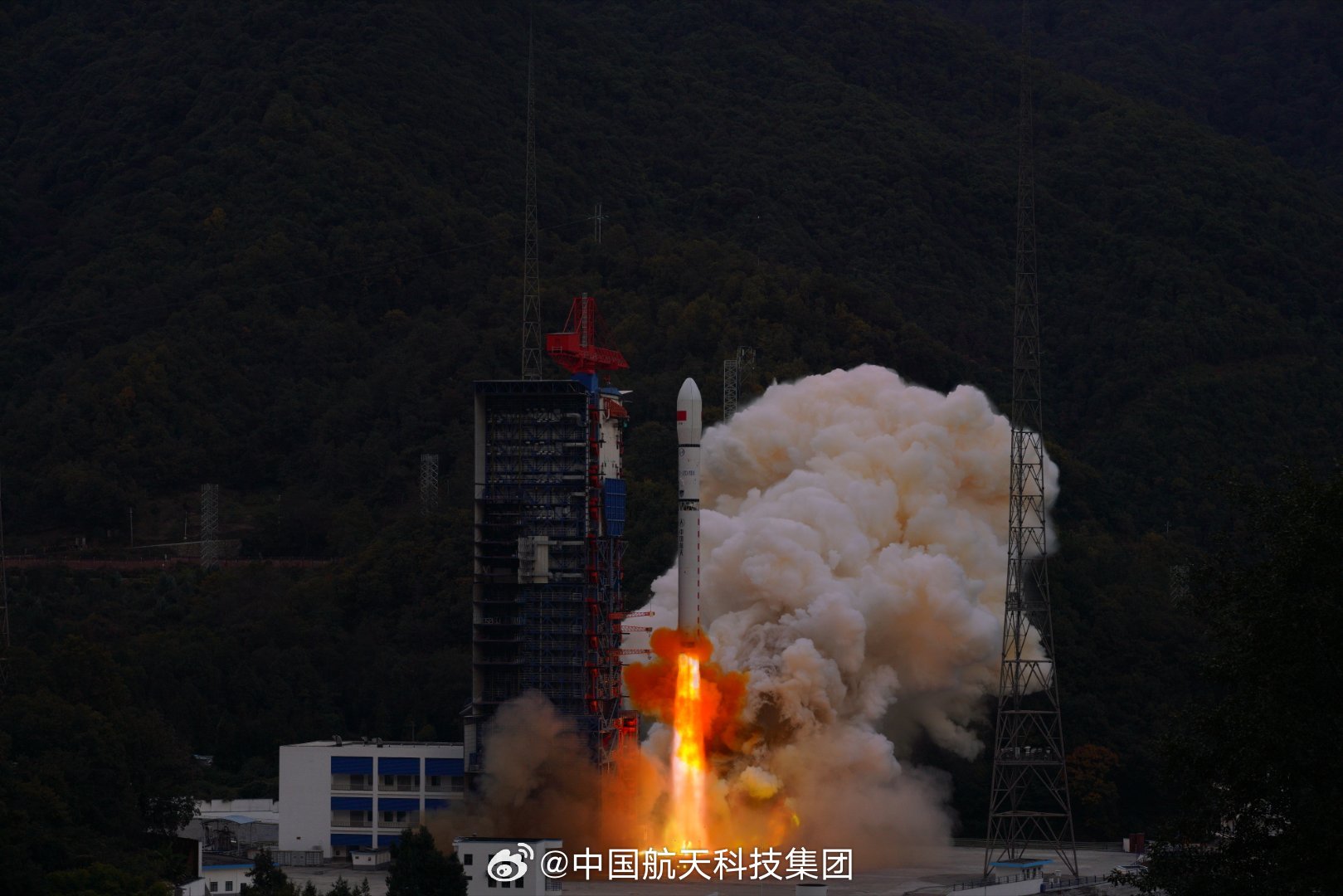
Long March 2D/YZ-3 | Unknown Payload
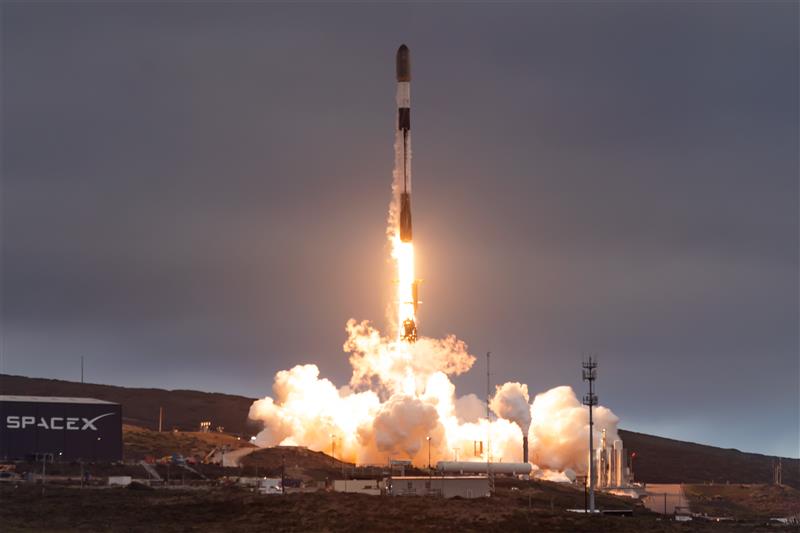
Falcon 9 Block 5 | USSF-153
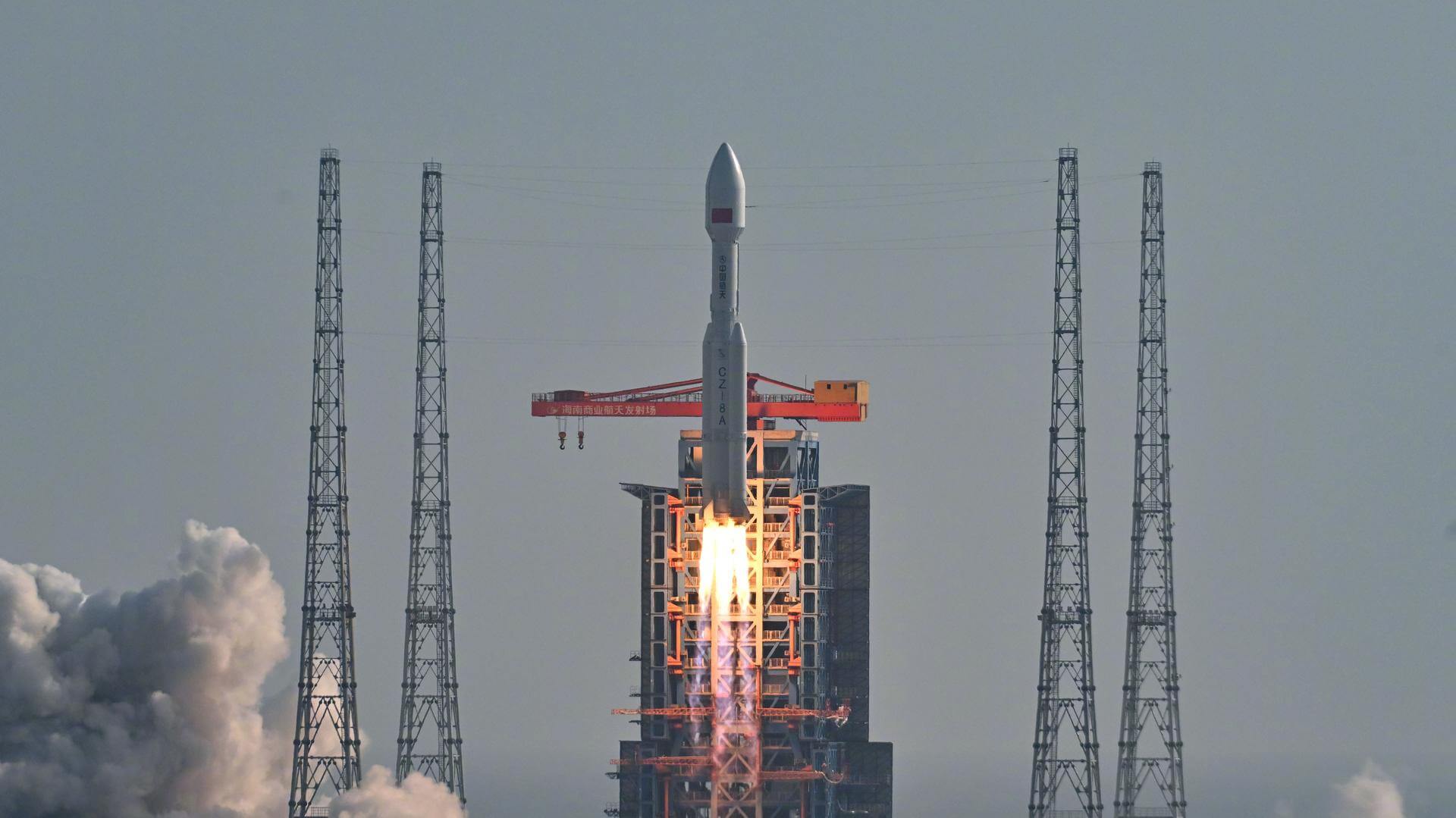
Long March 8A | Unknown Payload

Falcon 9 Block 5 | O3b mPower 11-13
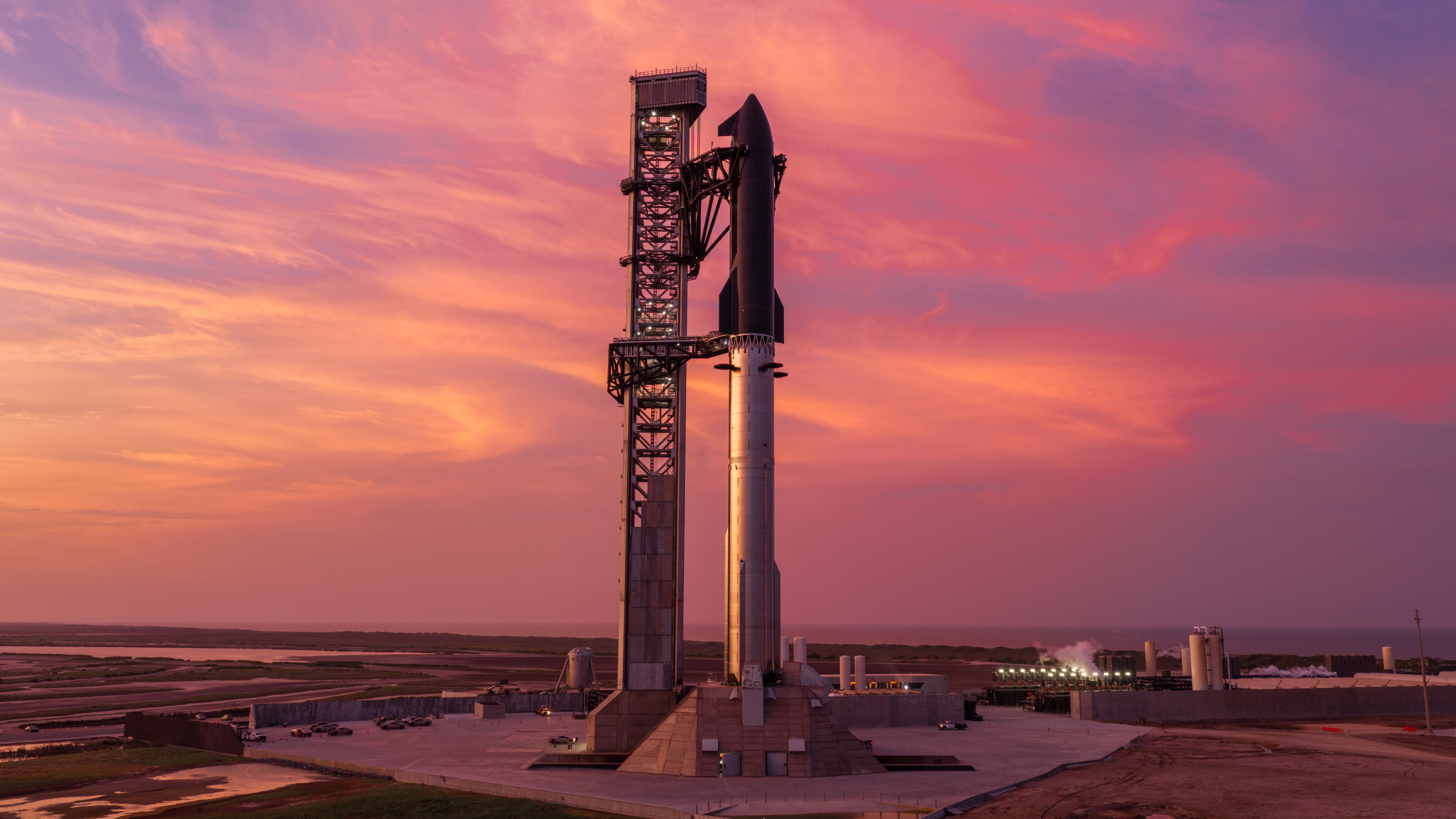
Starship | Flight 14
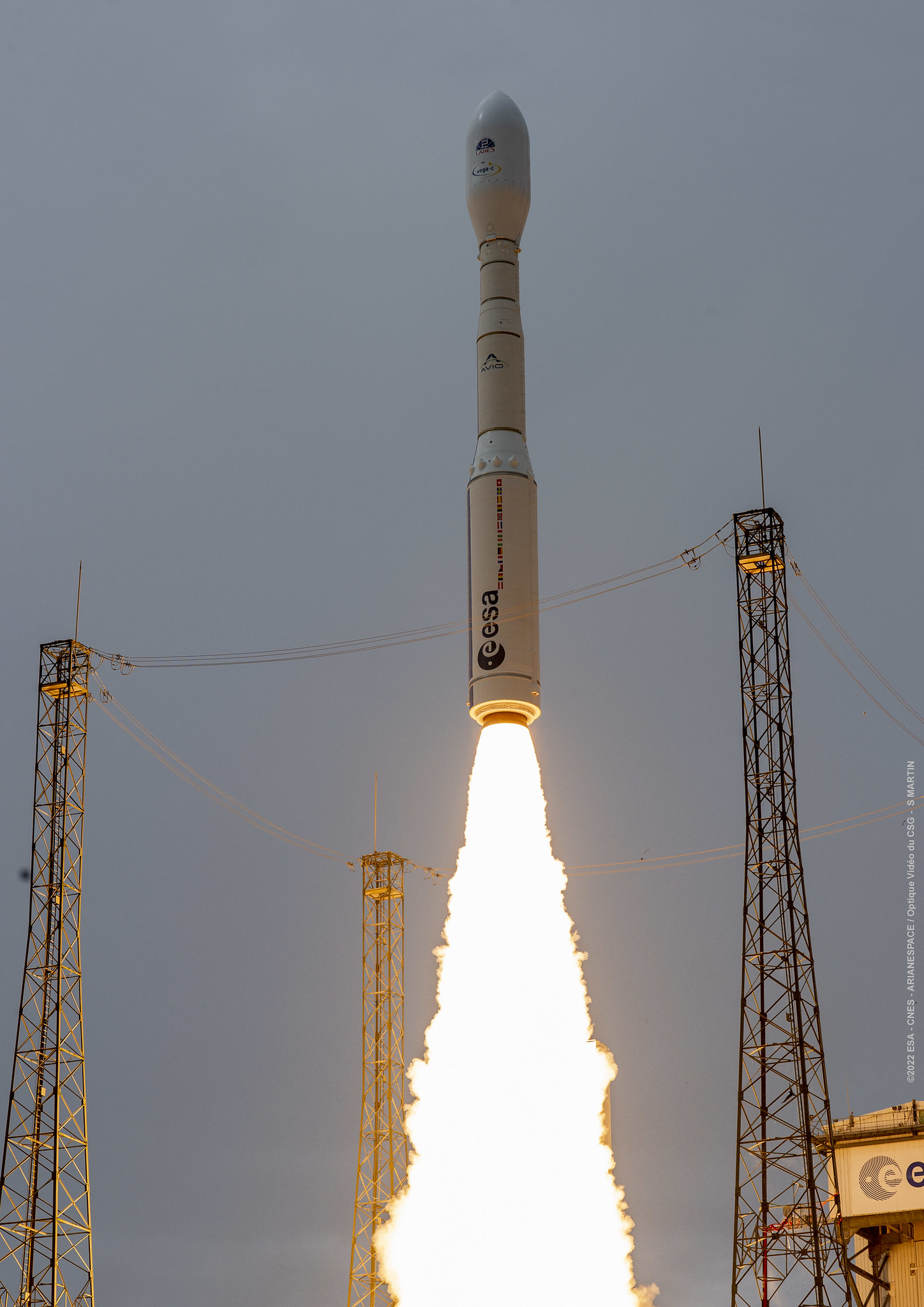
Vega-C | Sentinel-3C & FLEX
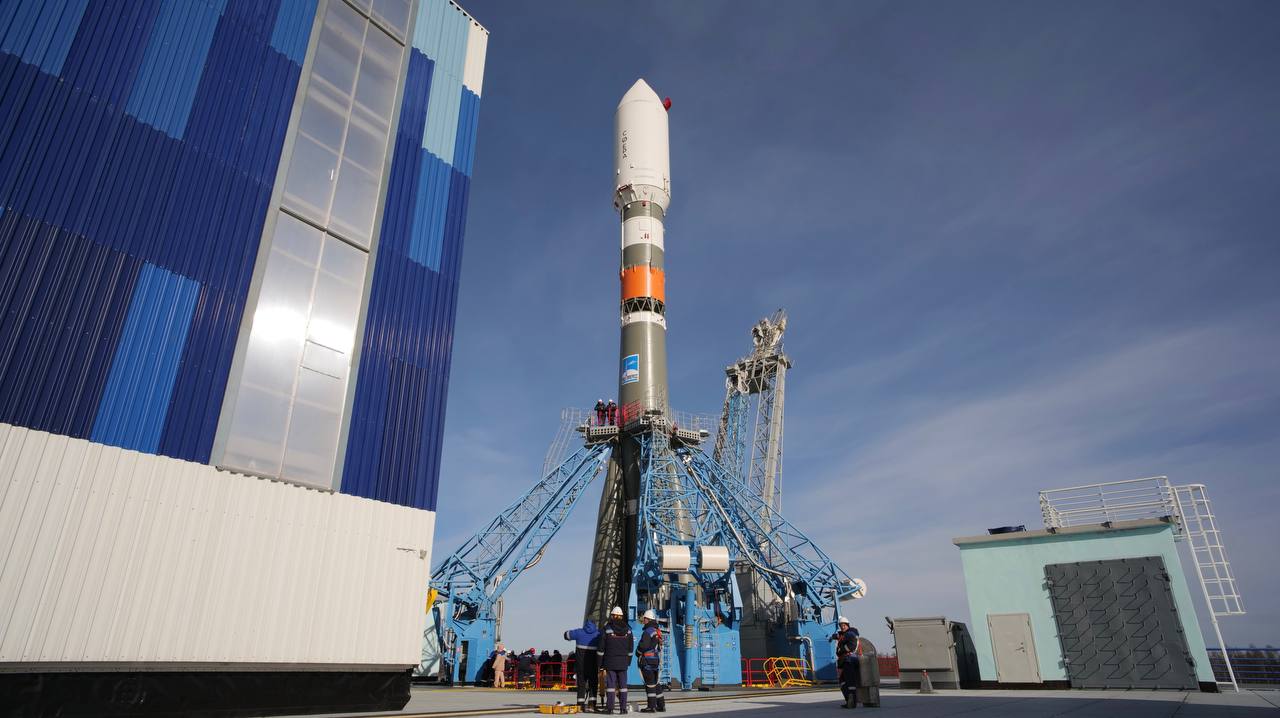
Soyuz 2.1b | Progress MS-35 (96P)
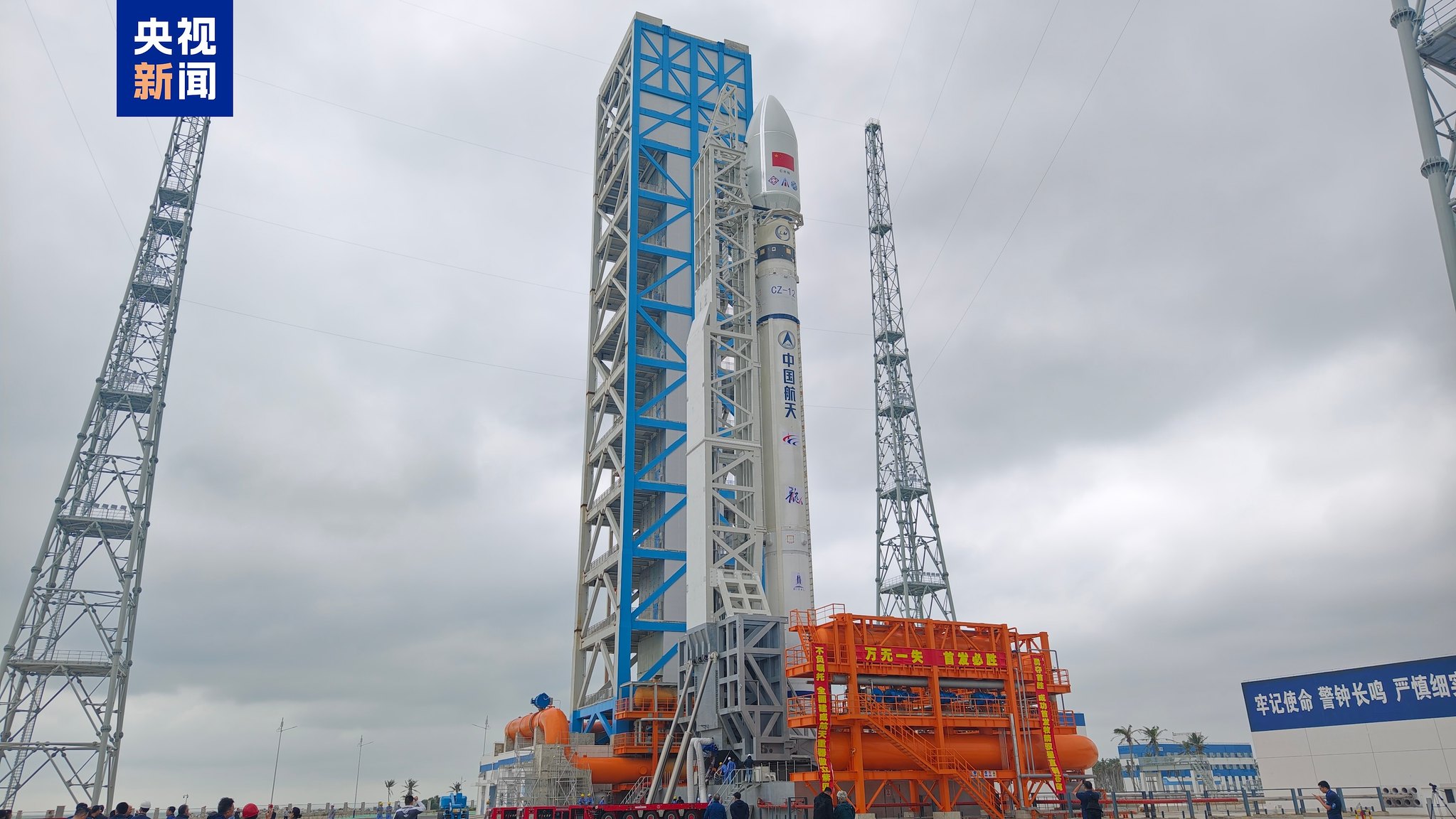
Long March 12 | Unknown Payload

Falcon 9 Block 5 | Starlink Group 15-27
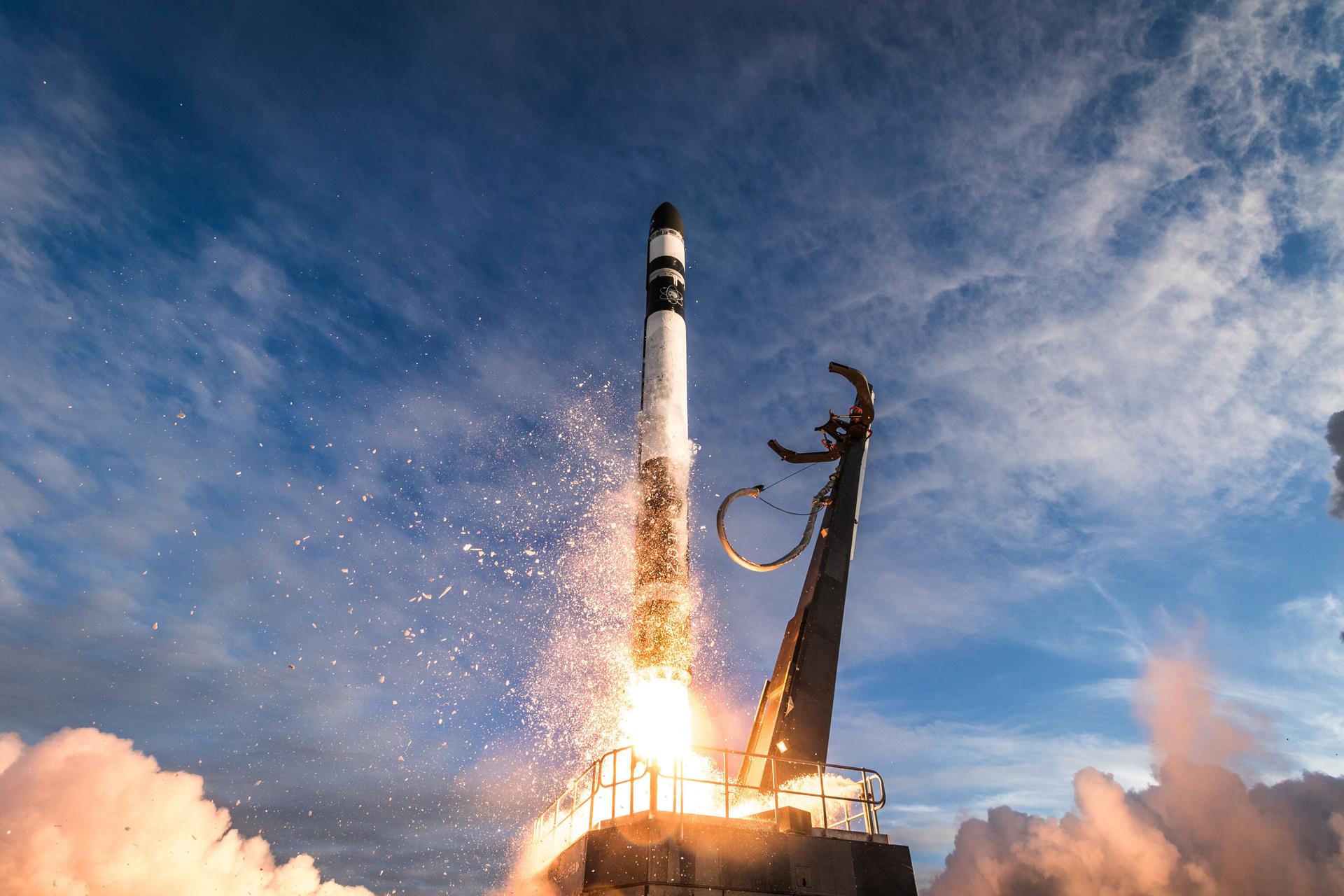
Electron | LOXSAT 1
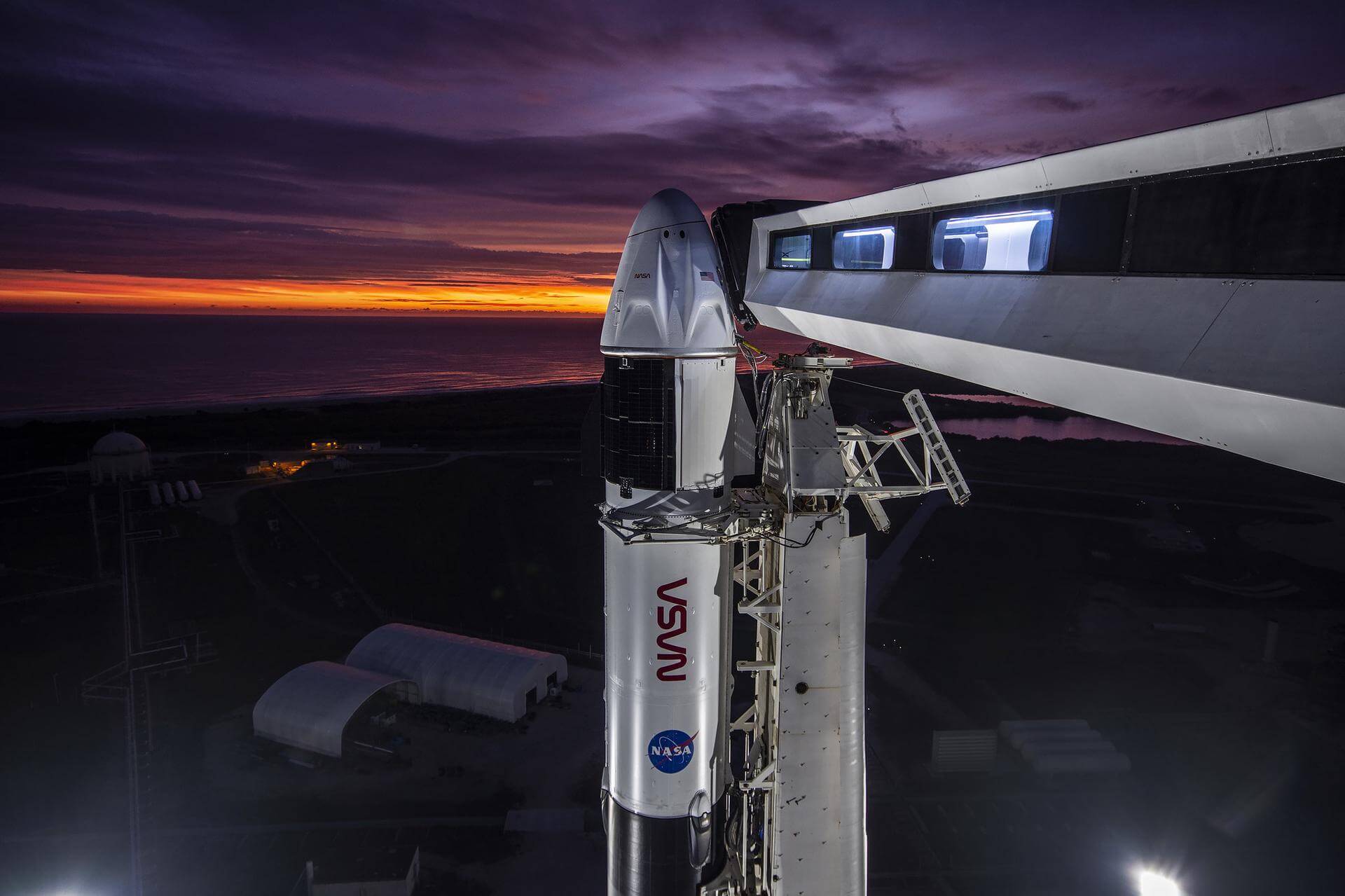
Falcon 9 Block 5 | Crew-13
Falcon 9 Block 5 | SDA Tranche 1 Transport Layer A
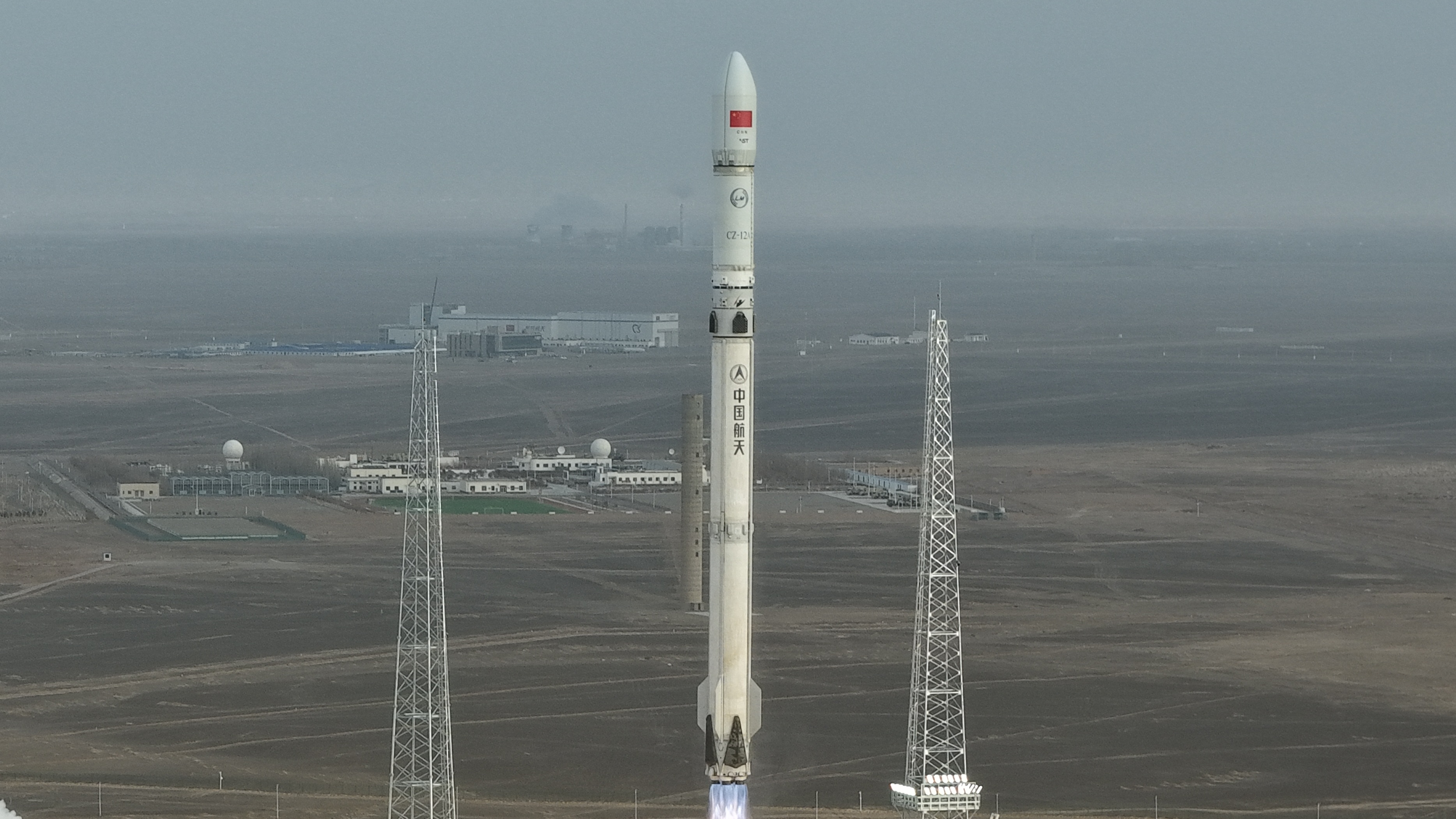
Long March 12A | Flight 2
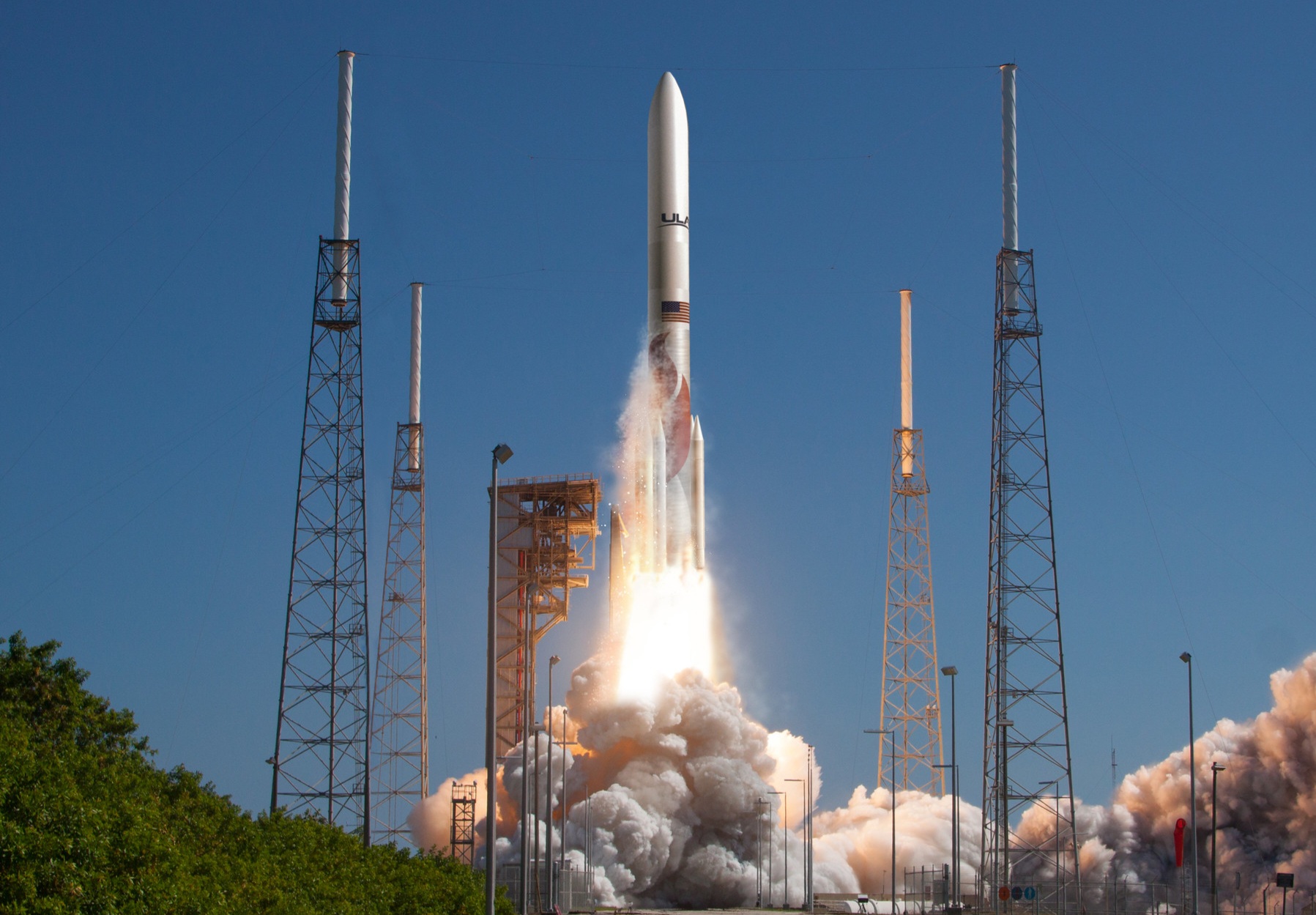
Vulcan VC6L | Amazon Leo (LV-01)
Electron | 6x HawkEye 360
2010 FX9
465824 2010 FRwatched by NASA
2018 VG
2014 FV32
2007 QE3
2013 TG135
NASA · today
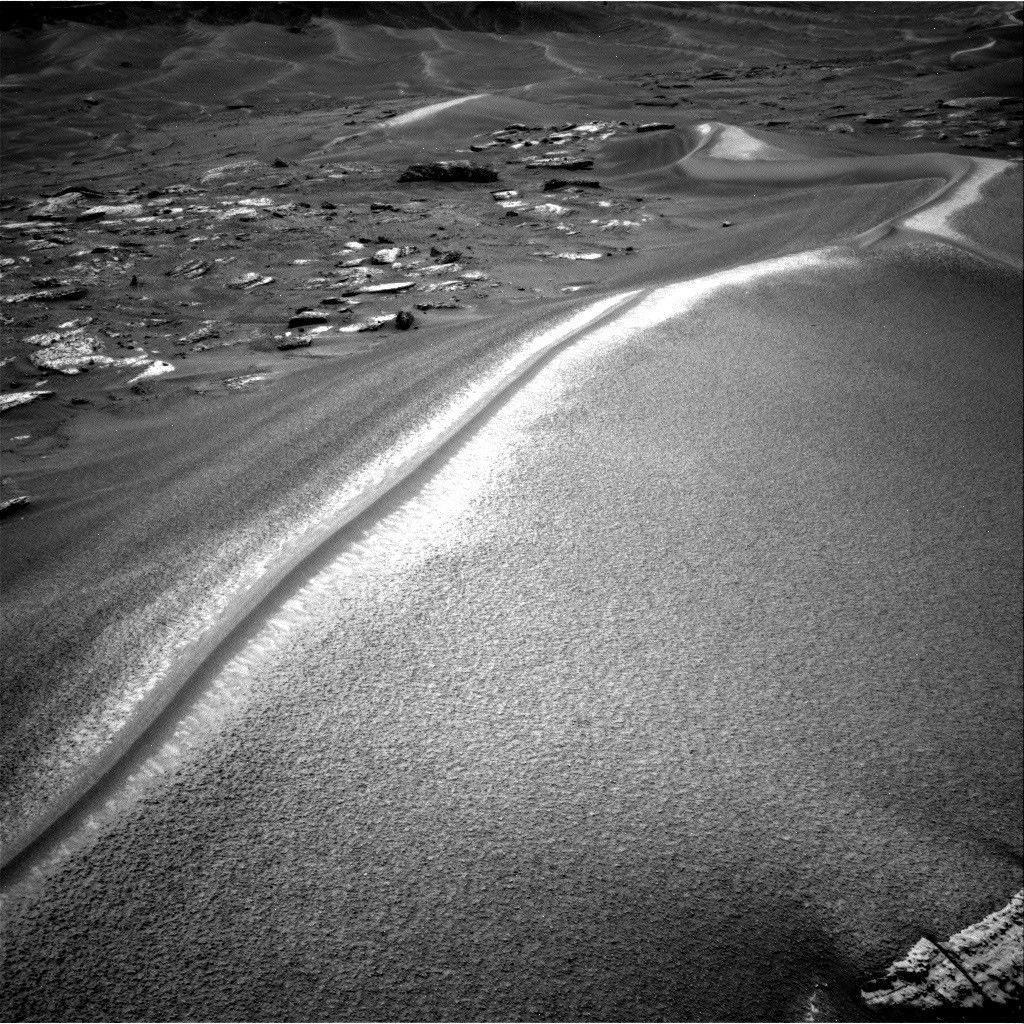
Curiosity Blog, Sols 4995-5001: 5,000 (Martian) Days on Mars
Written by William Farrand, Senior Research Scientist, Space Science Institute Earth planning date: Friday, Aug. 28, 2026 The span of sols spanned by this blog post is noteworthy i…

ESA · today
MTG-I2 reaches its final orbit
NASA · today
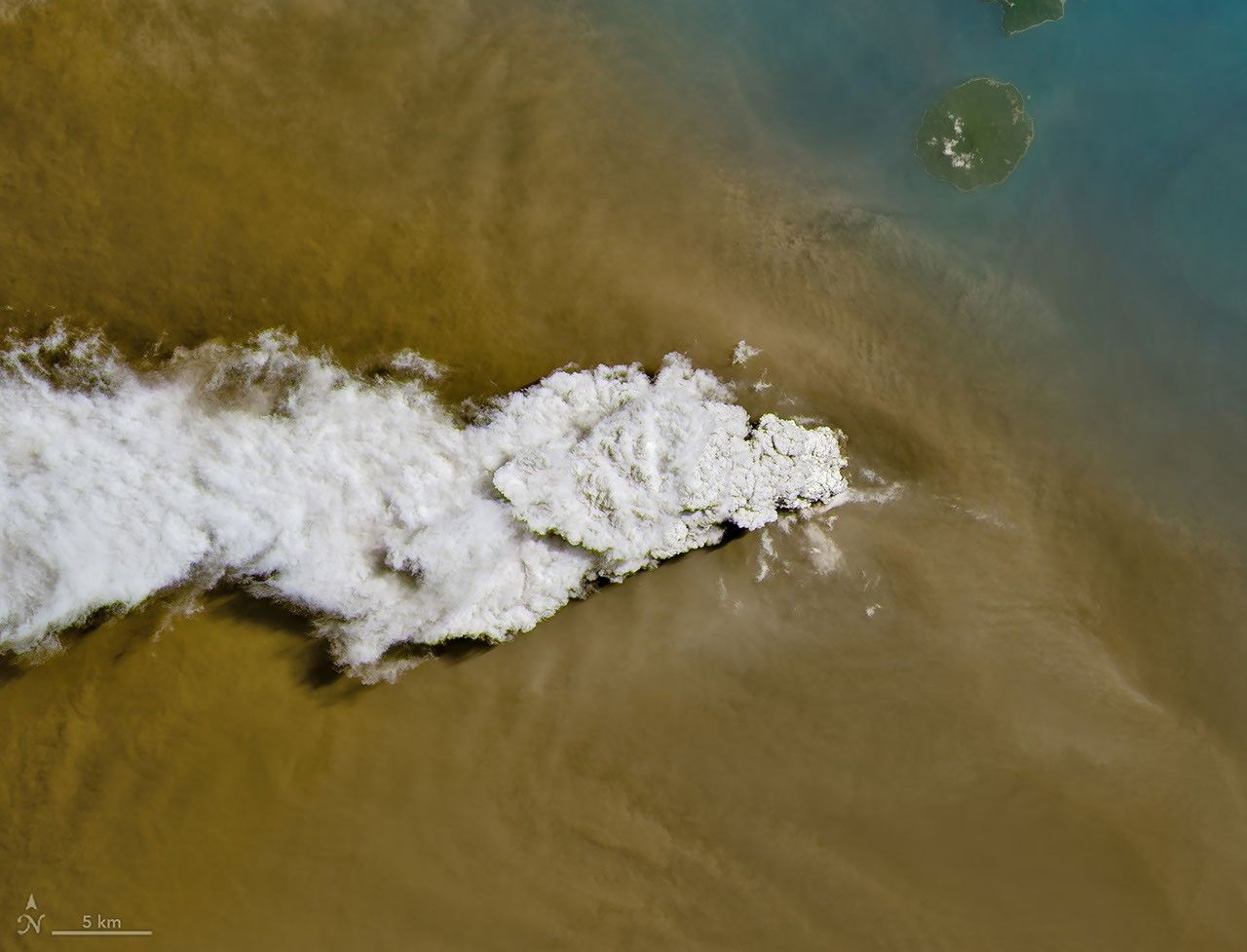
Anak Krakatau Rumbles Again

NASA · today
From the Corps to the Cosmos, featuring Jaden Caradine
NASA · today
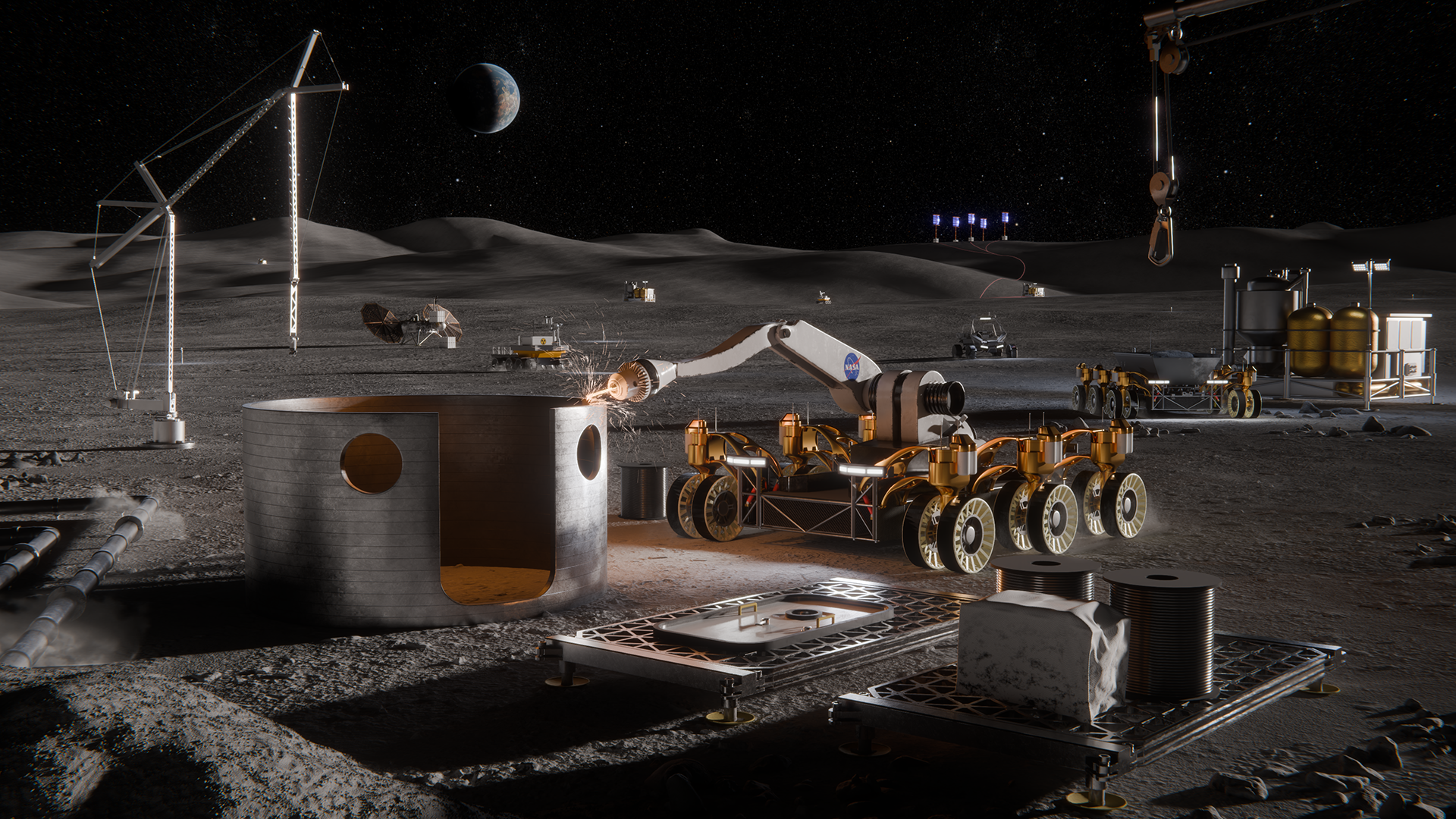
NASA Calls for Proposals to Accelerate Lunar Surface Technologies
NASA · today
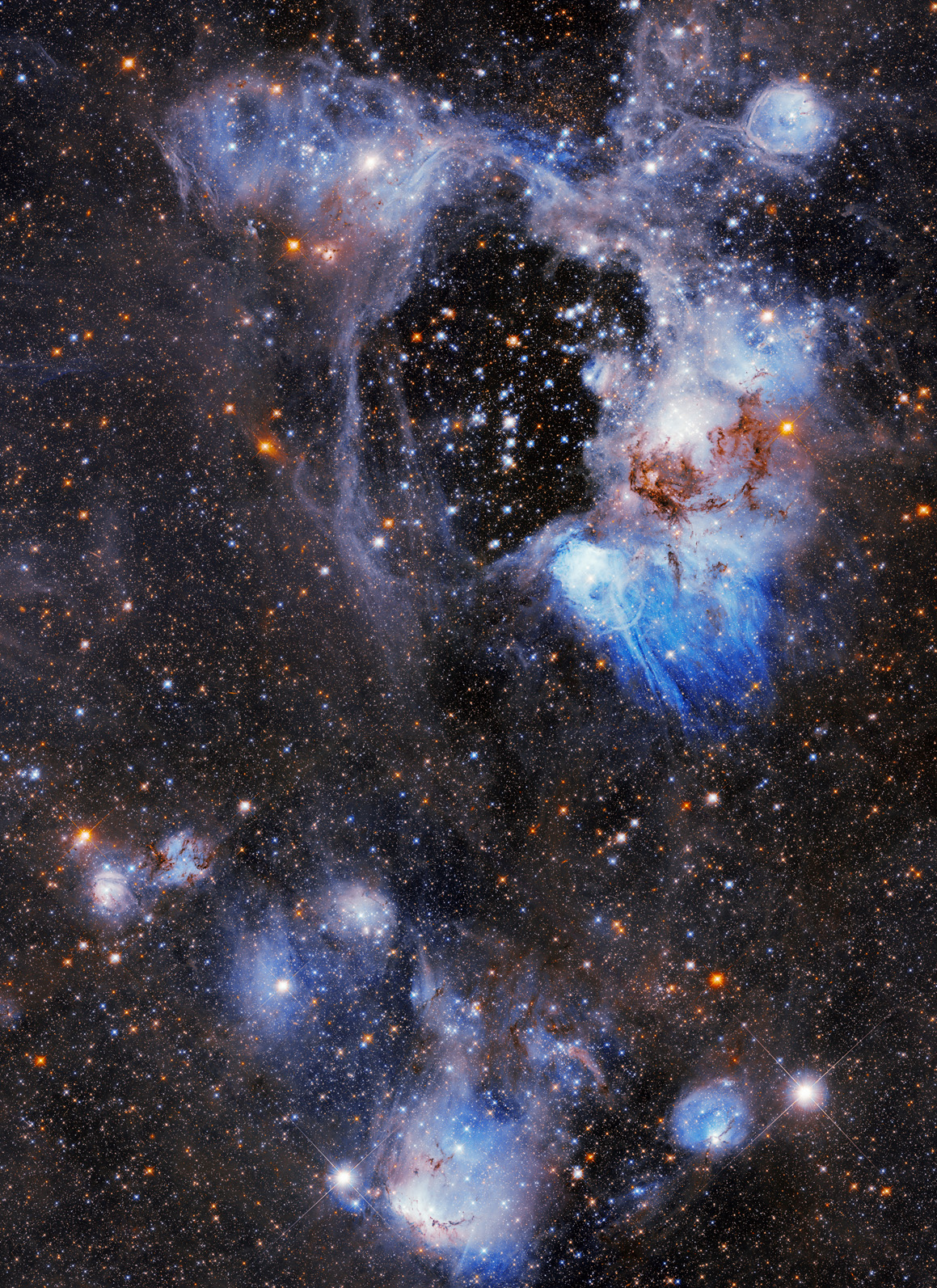
Superbubble in the Large Magellanic Cloud
European Spaceflight · today
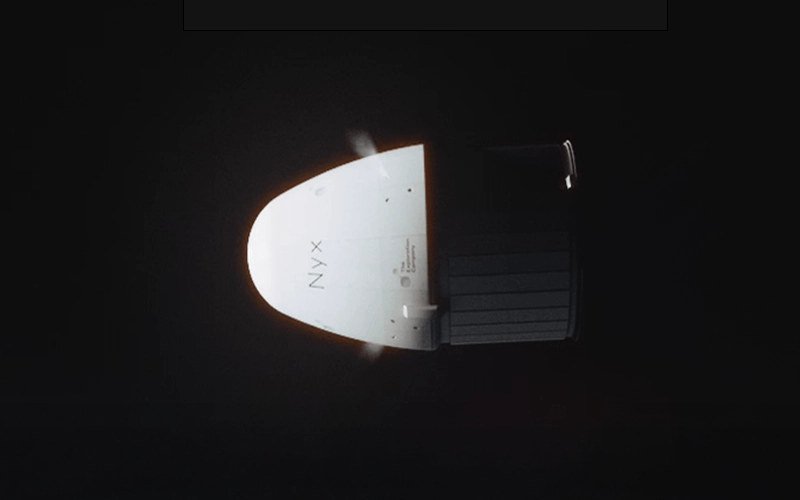
The Exploration Company Raises $450 Million in Series C Funding
Scroll from your rooftop to the edge of the observable universe. Every stop is real.
Begin the voyage →The real solar system, computed from orbital mechanics. Scrub time and watch the maths.
Run the simulation →Five questions, one round a day, same for the whole planet. Build your streak.
Play today's round →Put Earth next to the Sun. Then next to a black hole. Watch your brain give up.
Compare anything →Black hole, light-year, quasar — every space term, explained like a human.
Learn the language →Light takes time to travel, so every glance into space is a glance into the past. The night sky shows stars as they were years, even millennia, ago.
In 2015 we caught two black holes colliding a billion light-years away, wobbling spacetime by less than the width of a proton. Einstein predicted it a century earlier.
The Carrington Event made auroras glow over the tropics and shocked telegraph operators. A repeat today could cripple power grids and satellites worldwide.